


BMW 3 Series vs 5 Series for Dayton Drivers
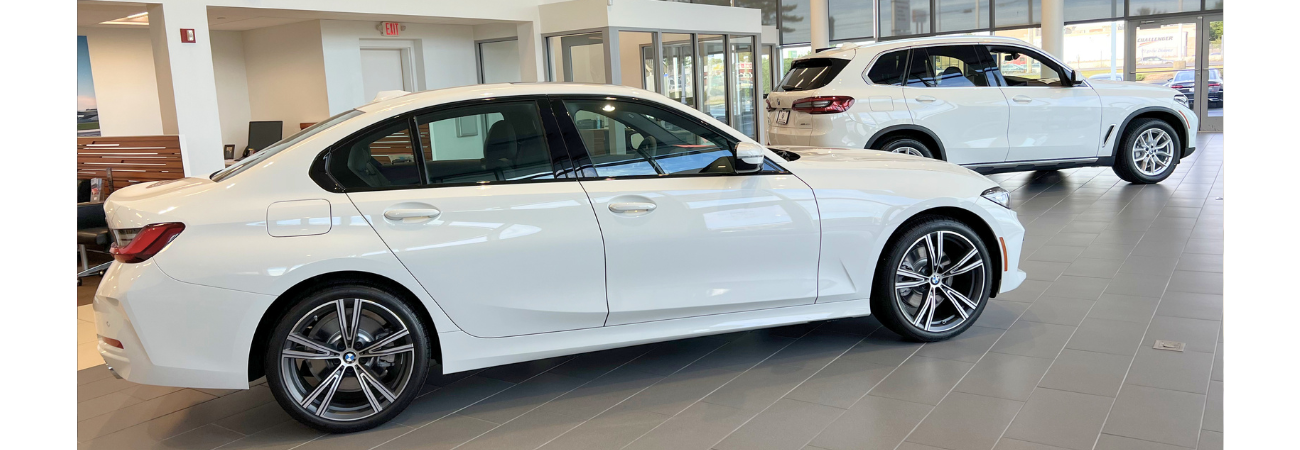
Dayton drivers don't choose a luxury sedan on looks alone. Your car has to handle downtown parking, I-75 miles, cold starts, slush, and potholes without turning every commute into work.
That's why the BMW 3 Series and BMW 5 Series feel so different in daily use. In this BMW comparison, the real issues are size, comfort, price, winter traction, fuel use, and how easy each one is to live with. The difference becomes clear once you picture your normal Ohio drive.
BMW 3 Series vs BMW 5 Series: the quick difference Dayton shoppers feel first
The 3 Series is usually the smaller, sportier, and less expensive choice. The 5 Series is larger, quieter, and built with more comfort in mind. Both are luxury sedans, but they don't ask the same thing from a driver.
Why the 3 Series feels easier in tight city driving
In traffic, size matters. The 3 Series has a smaller footprint, so it slips into parking spots more easily and feels less bulky on crowded streets. That helps when you're heading downtown, making short errands, or dealing with narrow lots during a busy week.
It also feels lighter on its feet. Steering inputs seem quicker, and lane changes take less effort. If you want a closer look at trim choices, the 2024 BMW 3 Series lineup gives a useful picture of how the model range starts with daily-friendly versions and moves up from there.
Why the 5 Series stands out for comfort and space
The 5 Series earns its extra size. Rear passengers get more room to stretch out, and the cabin feels airier on long drives. That can matter if your week includes I-75, I-70, or regular trips across the Dayton suburbs.
Ride comfort is the bigger difference. The 5 Series has a calmer, more relaxed character over expansion joints and rough patches. Its trunk and rear seat also make life easier when you're carrying work bags, winter gear, or adults in back on a regular basis.
How each BMW handles Ohio commuting and winter weather
Ohio roads ask a lot from a sedan. A dry fall commute can turn into freezing rain by dinner, and a fresh snowfall often becomes gray slush by the next morning. Because of that, the right setup matters almost as much as the badge on the trunk.
xDrive, winter tires, and the features that matter most in snow
Both the 3 Series and 5 Series can be found with xDrive, BMW's all-wheel drive system. That helps when you need better traction pulling away from a stop or climbing a slick ramp. Still, all-wheel drive does not replace the one thing that matters most in winter, tire grip. In snow, tires matter more than trim level.
A 3 Series with proper winter tires will usually feel more secure than a 5 Series on all-season tires. The same rule works the other way too. Snow confidence also depends on traction control and smooth power delivery, and both sedans feel predictable when the road gets slick. Since both cars sit low, neither one gets a ground-clearance edge in deeper snow. Basic winter comfort, such as cabin heat, glass defrost, and available heated features, depends more on equipment and condition than on whether you choose a 3 or a 5.
Ride quality on potholes, slush, and broken pavement
Cold weather makes Dayton roads rougher. Potholes hit harder, patched pavement feels choppy, and slush can pull at the steering. Here, the 5 Series often has the advantage because its ride tune is more comfort-focused.
The 3 Series is still composed, but it usually feels firmer. Some drivers like that because the car stays more alert and more nimble when roads twist or traffic shifts. Others will prefer the 5 Series because it softens the constant little hits that come with winter commuting. If your route includes broken pavement every day, the larger car may leave you less worn out by Friday.
Daily comfort, tech, and ownership costs beyond the badge
A quick test drive can hide the stuff that matters six months later. Seat comfort, fuel stops, insurance bills, and tire replacement all shape whether a car feels like a smart buy or an expensive habit.
Both sedans offer strong tech and the polished feel people expect from BMW. The 5 Series usually feels richer inside, while the 3 Series keeps that premium feel in a more compact space.
Fuel economy and stop-and-go traffic
For many Dayton drivers, fuel use is where the 3 Series pulls ahead. Its smaller size and lighter feel usually translate to better efficiency, especially if your commute mixes city traffic with highway miles. Over time, that can mean fewer gas stops and a little more breathing room in the monthly budget.
The 5 Series can still make sense if you spend hours on open roads, because a more comfortable seat and quieter ride can matter more than a modest fuel gap. Yet if your week is full of stop-and-go traffic, the smaller sedan is often the easier one to live with.
Maintenance, tire costs, and long-term value
The 5 Series often costs more to own because more car usually means more expense. Larger tires can cost more to replace, and added luxury features can raise repair or upkeep costs over time. Insurance may also trend higher, depending on trim and equipment.
The 3 Series is often the more manageable entry point into a BMW sedan. You still get the brand's balance of comfort and driver feel, but with fewer size-related costs. For a broader look at model differences, the BMW sedan buying guide can help you compare sedan choices without guessing.
So, which luxury sedan fits Dayton drivers best?
For many people, the answer comes down to commute length and daily hassle. If you park in tight places, drive more city miles, and want a lower starting cost, the 3 series is the stronger fit. It feels sharper, easier to place, and better suited to mixed city use.
The 5 Series makes more sense if your days include longer highway stretches, more passengers, or a steady diet of rough winter pavement. It gives you extra room, a softer ride, and a more upscale feel every time you settle in.
Budget matters, but so does fatigue. A shorter commute usually favors the 3 Series. A longer, colder, rougher drive often favors the 5 Series.
Conclusion
The core difference is simple. The BMW 3 Series is the better pick for agility, easier parking, and better value. The BMW 5 Series is the better pick for space, comfort, and a calmer commute.
For Dayton drivers, winter doesn't change that basic rule. Good tires and xDrive help both cars, but your daily route should make the final call. If Ohio commuting wears you down, the 5 Series earns its size. If you want luxury with less bulk, the 3 Series is the smarter match.