


BMW 3 Series vs. 5 Series for Dayton Commutes
Dayton drivers often face a practical choice: a smaller, sportier luxury sedan or a larger one built for long-haul comfort. Your route may include downtown traffic, I-75, uneven local streets, and weekend drives to Cincinnati or Columbus.
This BMW comparison looks at room, ride quality, performance, technology, costs, and winter readiness. For Ohio snow, all-wheel drive and proper tires usually matter more than sedan size alone.
BMW Comparison: How the 3 Series and 5 Series Fit Dayton Commuting
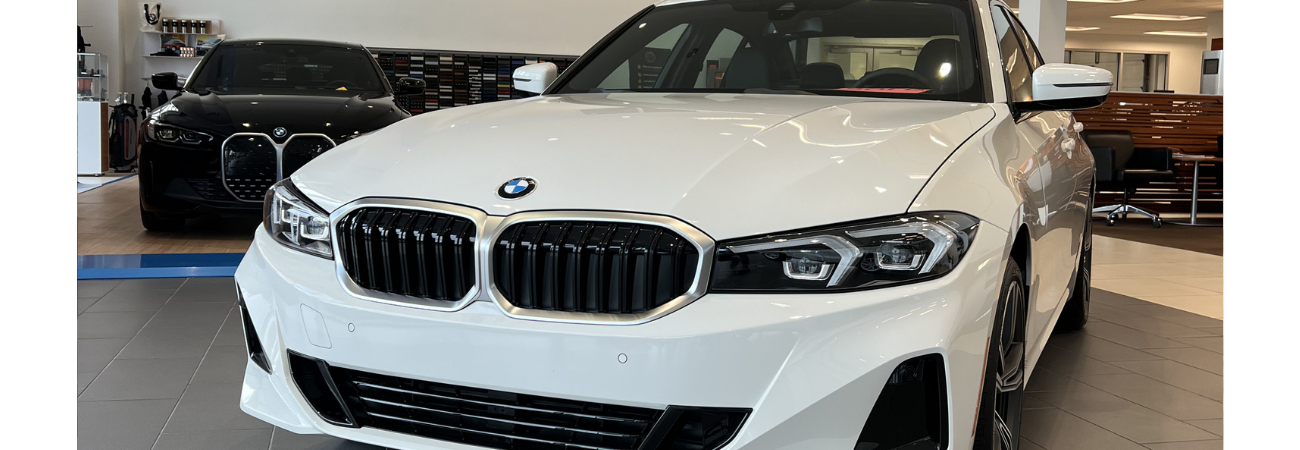
The BMW 3 Series is the more compact choice. It feels easier to maneuver through parking lots, busy streets near The Greene, and tight garage spaces. It also usually carries a lower purchase price than a comparable 5 Series.
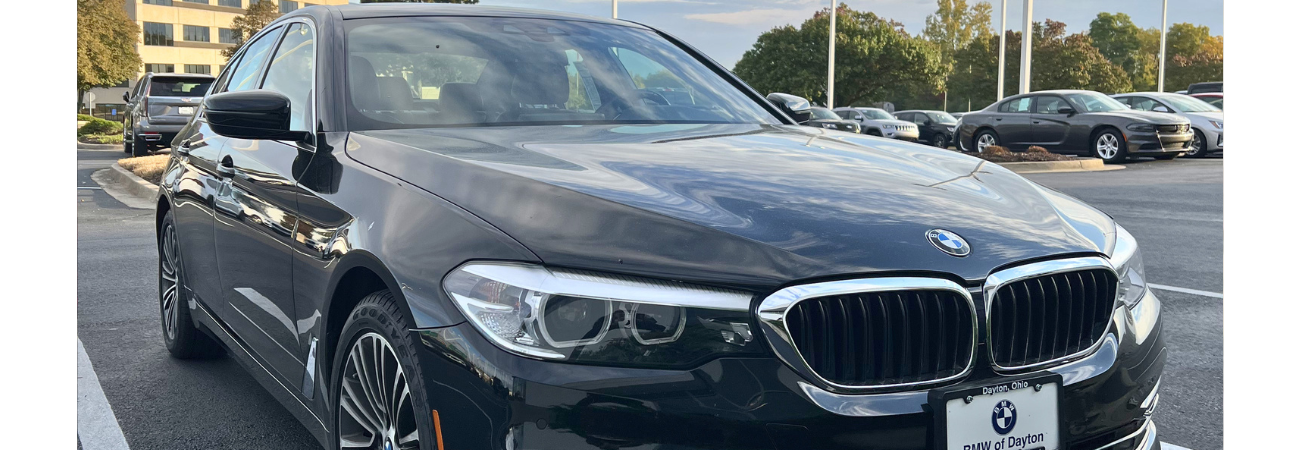
The BMW 5 Series gives you more cabin room, a quieter ride, and a more relaxed highway character. Adults will appreciate its added rear-seat space, while frequent travelers may value the larger sedan's broader, more settled feel on I-75.
Both sedans offer useful trunks, modern connectivity, and premium interiors. However, exact dimensions, powertrains, features, pricing, and fuel economy vary by model year and trim. Confirm the details of the vehicle in front of you before buying.
Choose the 3 Series for an agile, easier-to-park daily sedan
The 3 Series suits a solo commuter, a couple, or a small household. Its shorter footprint helps when spaces are narrow, and its responsive steering makes routine driving more engaging without feeling demanding.
A 330i balances everyday comfort and efficiency. The 330e may appeal to drivers who can make use of plug-in hybrid charging, while the M340i prioritizes stronger acceleration and performance. Each has a different personality, so a test drive matters.
You still get a polished cabin and useful driver-focused technology without paying for a larger car you may not need. For a closer look at a current all-wheel-drive example, see the 2026 BMW 330i xDrive in Dayton.
Choose the 5 Series when comfort and passenger room come first
The 5 Series makes more sense when adults regularly ride in the back or when highway miles add up quickly. Its wider cabin and extra rear-seat room can make a trip to Columbus feel less tiring.
Ride comfort is a major part of its appeal. The 5 Series tends to feel more composed over rough pavement, expansion joints, and long stretches of interstate. It also has more road presence, which some drivers prefer.
That added comfort comes with tradeoffs. The 5 Series can cost more to buy, park, fuel, insure, and fit with replacement tires. Drivers considering a newer model can review a 2026 BMW 530i xDrive near Dayton and compare its equipment with a similarly equipped 3 Series.
Which BMW Sedan Handles Ohio Winter Driving Best?
Neither sedan is an off-road vehicle, and both have the low ground clearance typical of luxury sedans. A rear-wheel-drive model and an xDrive all-wheel-drive model can feel very different when snow covers the pavement.
xDrive can improve traction when you start from a stop or accelerate on a slippery surface. It does not shorten braking distances, though, and it can't create grip on ice where the tires have little traction.
A heavier or larger sedan does not automatically make winter driving safer.
Slow down before turns, leave more following distance, and clear snow from the roof, hood, lights, and windows. Check the owner's manual for tire guidance and drive-mode instructions before winter arrives.
xDrive, winter tires, and ground clearance matter most
Drivetrain, tire condition, and driver habits matter more than the 3 Series or 5 Series badge. For frequent snow, freezing rain, and extended cold weather, dedicated winter tires offer a major grip advantage over many all-season tires.
Tread depth also matters. Worn tires can struggle even with xDrive, especially on bridge decks and slushy intersections. Both sedans can handle typical treated roads, but deep snow can pack beneath the front bumper or chassis.
Stability control and driver-assistance features can support you when traction changes. They can't replace gentle steering inputs, smooth braking, or a safe speed.
Match the sedan to Dayton roads and your winter routine
Main roads across the Miami Valley often receive treatment early. Neighborhood streets, side roads, hills, and bridge decks can stay slick much longer. Conditions can change quickly after sunset when wet pavement refreezes.
A 3 Series may feel easier to place on narrow streets or in crowded parking areas. Meanwhile, a 5 Series can feel more comfortable and steady during open-highway trips. Consider your actual route, where you park, annual mileage, and how often you drive before roads are fully cleared.
Features, Costs, and a Simple Way to Pick Your BMW
Price is only part of the ownership picture. Compare similarly equipped cars, because a highly optioned 3 Series may cost more than a lightly equipped 5 Series. xDrive, wheel size, tire type, insurance, fuel use, service records, and depreciation all affect the real budget.
For a used BMW, inspect tire wear and brake condition, review the vehicle history report, and arrange a professional pre-purchase inspection. A lower-priced sedan with neglected maintenance can cost more than a well-kept example.
The 3 Series makes sense for value and everyday control
The 3 Series fits drivers who want responsive handling, easier parking, and a lower entry cost. It can still feel upscale while covering most daily needs with ease.
Before deciding, consider:
How many passengers ride with you most weeks.
How far you commute on I-75 or local roads.
Whether your parking space feels tight.
How much performance matters to you.
Whether xDrive and winter tires fit your budget.
The 5 Series makes sense for long trips and extra comfort
The 5 Series fits drivers who spend long hours on highways, carry passengers often, or want more space around them. Its higher cost can feel justified when that comfort gets regular use.
Still, it isn't automatically the stronger winter option. Drive both sedans on familiar Dayton roads and compare visibility, seating position, controls, ride quality, and how confidently each fits your daily routine.
The Right BMW for Your Ohio Drive
The 3 Series is a strong match for local commutes, easier parking, and value. The 5 Series is better suited to drivers who prioritize rear-seat room, a quieter cabin, and long-distance comfort.
For Ohio winters, the strongest setup is the right drivetrain, quality winter tires, and careful driving. Compare similarly equipped models, check service history, and choose the BMW that fits your route, passengers, and budget.