


BMW Tire Choices for Ohio Potholes, Comfort and Cost
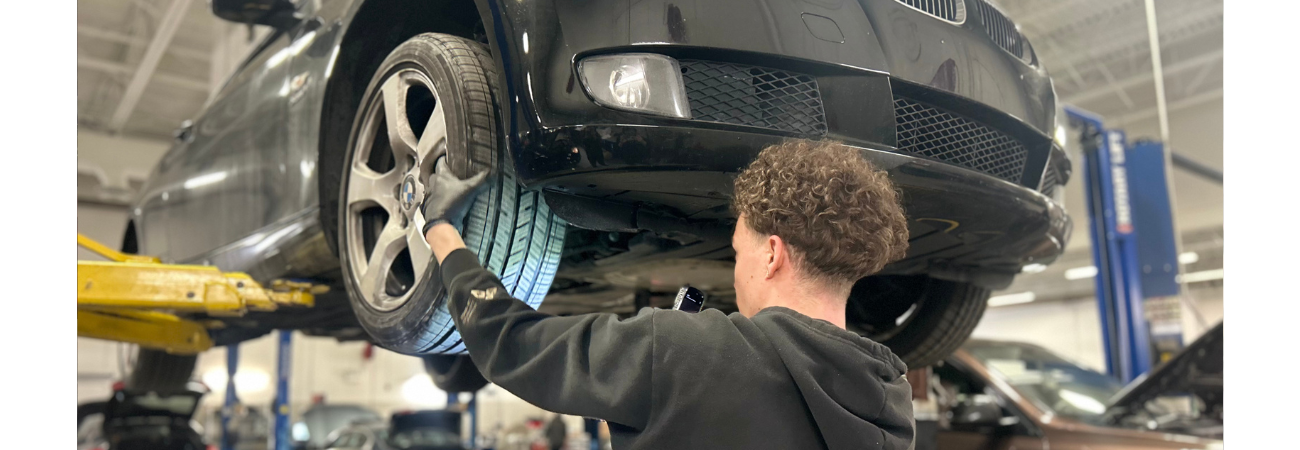
Ohio winters leave behind more than slush. They also expose potholes that can punish large BMW wheels and tires with limited sidewall height in one sharp hit.
The right BMW tire for Ohio potholes depends on your model, wheel size, commute, and tolerance for a firm ride. Run-flat designs can provide mobility after some punctures, while conventional tires often improve comfort. The sections ahead compare protection, fitment, and replacement cost.
Key Takeaways
Choose a BMW tire based on approved fitment, wheel size, sidewall height, load index, speed rating, and seasonal driving needs.
Run-flat tires can provide limited mobility after some punctures, while conventional tires often offer a softer ride, less road noise, and a lower purchase price.
A taller sidewall and BMW-approved wheel size may improve comfort and reduce the risk of wheel damage on Ohio potholes.
Compare the complete installed cost, including mounting, balancing, sensors, alignment, warranties, road hazard coverage, and any mobility equipment.
Inspect the wheels, alignment, suspension, and tires after a severe pothole impact, even if the BMW still feels normal.
Run-Flat vs. Conventional Tires for Ohio Roads
Potholes can bend a wheel, pinch a sidewall, knock out alignment, or create a slow leak. BMWs with larger wheels and shorter tire sidewalls can feel those impacts more sharply because less rubber separates the rim from the road.
Run-flat tires have reinforced sidewalls that can support the vehicle for a limited distance after air pressure drops. Non-run-flat tires, also called conventional tires, need air pressure to hold their shape and should be stopped promptly after a flat.
For any tire replacement, start with the door-jamb label and owner's manual. They list the approved tire size, load index, speed rating, and seasonal setup. These details should match the original equipment specification. A tire that fits the wheel but misses those requirements can affect handling, braking, and safety.
What run-flats do well after a puncture
The main advantage is time. Many run-flats can travel about 50 miles at a reduced speed after pressure loss, if the manufacturer allows it. That can get you off I-75, out of winter weather, or away from a narrow roadside shoulder.
This convenience matters for drivers who commute daily, take long highway trips, or have a BMW without a spare tire. DriveGuard tires are one example, but the size and BMW approval must be confirmed first. The cost difference may be worthwhile when roadside convenience matters.
A run-flat can't protect a wheel from a severe pothole strike. It also may not remain usable after sidewall damage. Road hazard coverage may help with some eligible damage, but terms vary by tire and seller. Coverage doesn't make severe sidewall damage safe to drive on.
When the tire pressure monitoring system sends a warning, reduce speed, avoid abrupt steering, and arrange an inspection soon. The total price of ownership may also include a mobility kit or roadside plan. Compare services from retailers such as BMW Roadside Assistance, Discount Tire, and Mavis Tire, since included services, warranties, and emergency policies aren't necessarily equivalent.
Why non-run-flat tires often feel better on rough roads
Conventional tires usually have more flexible sidewalls. As a result, they can absorb broken pavement with less impact harshness and may produce less road noise. Their purchase price can also be lower than a comparable run-flat.
Still, a non-run-flat setup needs an emergency plan. Keep a mobility kit, carry an approved spare where practical, or confirm roadside assistance is available for a flat.
A conventional tire isn't automatically tougher against potholes. Construction, sidewall height, and the tire's load rating matter more than the run-flat label alone.
How to balance BMW tire comfort, protection, and replacement cost
Don't compare tires by the invoice price alone. Consider ride quality, road noise, fuel economy, tread life, and puncture support.
Run-flats often cost more upfront and can feel firmer, especially with low-profile fitments. They reduce the immediate need for a spare or roadside stop. Non-run-flats can improve daily comfort, but they may require a repair kit, spare-tire storage, or roadside coverage.
For planning purposes, conventional aftermarket tires may cost approximately $150 to $300 per tire. Original BMW Tires, premium original-equipment fitments, and run-flat models may cost about $250 to $600 or more per tire. The cost difference depends on the tire model, size, rating, and warranty.
A four-tire total price commonly reaches roughly $800 to $2,400 after installation. The total price varies with the vehicle, tire size, speed rating, sensors, and wheel work. Treat this range as a planning guide, not a guarantee, and request a vehicle-specific quote.
Ask a BMW Tire Center about current dealer pricing, any BMW Tire Price Match policy, warranty terms, and included services. Availability and policy details can vary.
A smaller BMW-approved wheel with a taller sidewall can provide more cushion against potholes. That extra sidewall may also reduce the chance of rim damage. Never change wheel diameter or tire sizing without confirming approved fitment for your BMW.
The tire features that matter most for Ohio driving
Look beyond the brand name and compare the details that affect Ohio roads:
A taller sidewall can improve impact comfort and add protection for the wheel.
Reinforced construction and the correct load rating support the vehicle properly.
Strong wet-weather traction and adequate tread depth help during heavy rain and slush.
Temperature ratings, warranty terms, and road hazard coverage can affect long-term value.
Bridgestone tires offer several fitment categories for different driving needs. Potenza tires suit some high performance applications, while Turanza tires focus on touring comfort. Dueler tires may fit a suitable BMW SUV application, and Blizzak tires provide a winter-tire example. Verify BMW-approved size, load index, speed rating, and seasonal use for every model.
Summer tires provide responsive warm-weather grip but lose flexibility in cold conditions. All-season tires work well for many Dayton-area drivers because they handle a wide range of temperatures. Dedicated winter tires provide stronger grip when temperatures stay low and snow-covered roads are common. A cold weather wheel-and-tire package can simplify seasonal changes, but confirm approved sizes in the vehicle's tire catalog.
Whenever possible, replace tires in matched sets. Avoid mixing incompatible tire types, tread patterns, or run-flat and non-run-flat constructions on the same axle.
A simple cost comparison before you buy
Ask for the full installed cost, not only the advertised tire price. Include four tires, mounting and balancing, tire pressure sensor service, alignment checks, and possible wheel repair after a pothole impact.
Also factor in a mobility kit, spare-tire setup, or roadside coverage if you switch away from run-flats. The cost difference between run-flat and non-run-flat construction can be significant. Warranty coverage may also differ sharply between tire models, even when their sizes match.
Ask Discount Tire and Mavis Tire to compare quote line items, service inclusions, warranty terms, and road-hazard provisions. Retailer policies and included services can vary.
Some tire assemblies include the tire, wheel, sensor, and installation. Confirm whether the quoted wheel and tire package includes all required components. A complete quote should list the total price, sensors, installation, alignment, and possible wheel repair.
An alignment check is smart after a hard impact or uneven tread wear. BMW wheel alignment in Vandalia can identify camber, toe, or caster issues before they shorten the life of new tires.
How to choose the best tire setup for your driving habits
Your daily routine should guide the decision. Highway commuters have different needs than city drivers seeking the smoothest ride.
Before choosing, review these practical factors:
Confirm your BMW model, factory wheel size, and approved tire specifications.
Consider daily mileage and whether you drive mostly highways or city streets.
Account for winter weather and whether you use a separate set of winter tires.
Decide how much firmness and road noise you will accept.
Check storage space for a spare or mobility kit, along with access to roadside help.
Compare the total price, including installation, sensors, warranty terms, and repair provisions.
Review road hazard coverage before choosing between tire purchase options.
A BMW SUV may need different load ratings and fitment considerations because of its greater weight. Taller sidewalls can also change ride comfort and pothole protection.
When run-flat tires make the most sense
Run-flat tires suit drivers who value continued mobility after a puncture. They can be practical for frequent highway travel, late-night commutes, and BMWs without spare-tire compartments.
Some owners accept a firmer ride and higher replacement cost for that added convenience. The cost difference may be worthwhile if avoiding a roadside tire change matters most.
After a warning, check the tire pressure and inspect the tire promptly. Don't assume it's safe to continue driving because the tire still holds its shape.
When non-run-flats may be the better fit
Non-run-flats can suit drivers who want a softer ride, less road noise, and a lower upfront tire cost. They're often appealing for city driving when the BMW has enough sidewall height.
Keep a repair kit or roadside plan ready before making the change. Confirm approved fitment with a Service Advisor, especially if the vehicle lacks a spare-tire compartment.
When comparing service options, review the complete quote from providers such as Discount Tire and Mavis Tire. Pricing, included services, and protection terms can vary.
After a severe pothole hit or uneven wear, inspect the tires even if tread remains and the BMW feels normal. Check the wheels, alignment, and suspension before installation. tire replacement service in Vandalia can include the professional inspection needed before new tires go on.
Frequently Asked Questions
Are run-flat tires better for Ohio potholes?
Run-flat tires can help you continue to a safe location after certain punctures, but they cannot prevent wheel or sidewall damage from a severe pothole. Their reinforced construction may also provide a firmer ride and higher replacement cost.
Do non-run-flat tires provide a more comfortable BMW ride?
Conventional tires often have more flexible sidewalls, which can reduce impact harshness and road noise on rough pavement. If you switch from run-flats, keep an approved spare, mobility kit, or roadside assistance plan available.
How much do BMW tires usually cost?
Conventional aftermarket tires may cost about $150 to $300 per tire, while premium original-equipment and run-flat models may cost approximately $250 to $600 or more per tire. A complete four-tire installation can commonly reach about $800 to $2,400, depending on size, ratings, sensors, and services.
Should I choose a taller sidewall for Ohio roads?
A BMW-approved wheel with a taller sidewall can add cushioning and help protect the wheel from pothole impacts. Confirm the correct wheel diameter, tire size, load index, and speed rating before changing the factory setup.
What should I do after hitting a severe pothole?
Have the tire, wheel, alignment, and suspension inspected, even if there is no immediate warning or noticeable handling problem. Hidden damage can cause slow leaks, uneven tread wear, vibration, or shortened tire life.
The Right Tire Choice Starts With Fitment
Run-flats can provide mobility after some punctures. Non-run-flat construction often delivers a softer ride and lower purchase cost. For Ohio roads, correct fitment and sidewall protection matter as much as tire construction.
Before buying, confirm approved sizing, sidewall height, load and speed ratings, tread condition, and wheel condition. Choose Original BMW Tires or a qualified aftermarket alternative. Then have a qualified BMW service professional inspect the alignment and suspension before installation. Base the decision on your roadside plan, not the run-flat label alone.