


BMW X3 vs BMW X5: Choosing a Family SUV in Dayton
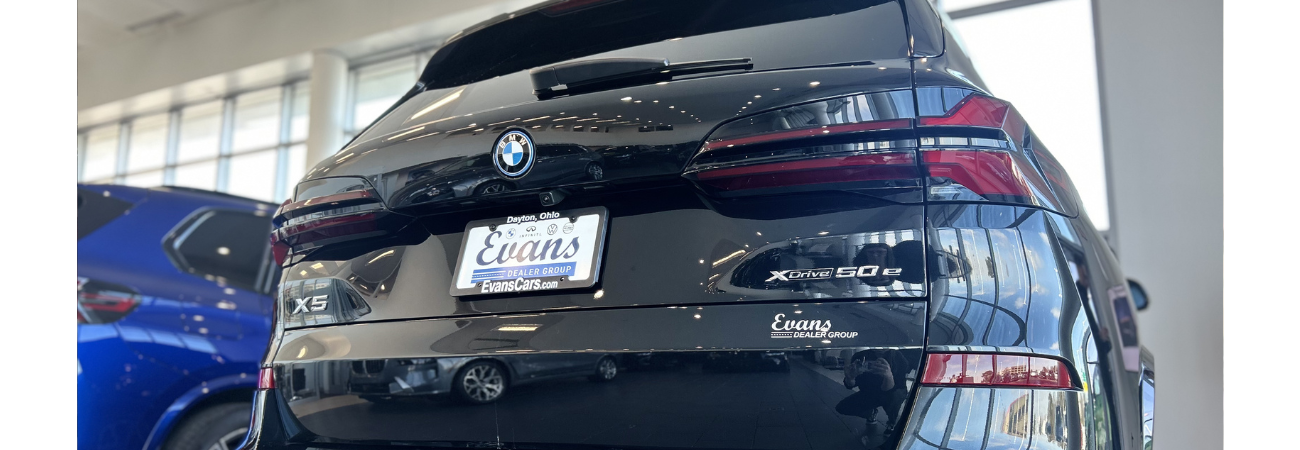
A smaller SUV makes tight parking easier, while a larger vehicle can give your family more room to spread out. For Miami Valley families comparing the BMW X3 vs BMW X5, both luxury SUVs can suit Dayton life, but the right choice depends on daily routines.
Passenger count, cargo needs, winter driving habits, and budget matter more than choosing the bigger badge. The BMW X3 may fit school pickups and grocery runs, while the BMW X5 offers more space when your week calls for it.
Start by checking how each SUV accommodates the people and gear you carry.
Key Takeaways
The BMW X3’s smaller footprint can make Dayton parking and neighborhood driving easier, while the BMW X5 may better suit families who need more passenger or cargo space.
Compare the exact model year and trim, including seating layout, cargo space with seats upright, drivetrain, and available features. Not every X5 configuration has third-row seating.
For Ohio winters, xDrive can help manage traction, but tires, road conditions, and careful driving remain essential in either SUV.
Consider total ownership costs—not just the monthly payment—including fuel, insurance, maintenance, tires, and financing or lease terms. Test both SUVs with your family and everyday gear before choosing.
BMW X3 vs BMW X5: Which One Fits Your Family?
Dimensions, equipment, and interior dimensions vary by model year and trim. Before choosing between the BMW X3 and BMW X5, review the exact vehicle specs and seating layout. Check passenger capacity, especially when comparing new and pre-owned models.
The BMW X3's smaller footprint makes parking a practical priority
The BMW X3's compact size makes it a sensible starting point for narrow driveways and crowded parking lots. Its responsive TwinPower Turbo engine and infotainment system can make family road trips more enjoyable. Parking comfort still depends on visibility and how confidently you judge the vehicle's corners.
During your drive, pull into a parking space and check whether everyone can open their doors comfortably. Backing out matters as much as pulling in.
Then compare interior dimensions and passenger comfort in both SUVs. Adjust the driver's seat to your normal position, then sit in the second row. If your family needs more than five-passenger capacity, ask whether that specific BMW X5 has third-row seating. Don't assume every configuration includes it.
Compare cargo fit for strollers, sports gear, and trips
Published cargo space measurements offer a useful starting point, but your belongings provide a better practical test. Boot capacity figures won't show whether a folded stroller fits through the opening or hockey bags load easily.
Bring your stroller or largest sports bag when you visit. Check how the cargo space works with the rear seats positioned for your usual passengers. Also see whether groceries can sit securely beside your gear, and ask about towing capacity if you haul equipment on a trailer.
For newer models, review the 2026 BMW X5 model details, then confirm the vehicle's cargo specifications. Check usable space with seats upright before relying on a maximum figure that requires folding them down.
How the X3 and X5 Handle Ohio Winters and Dayton Roads
Around Dayton, a winter trip in the BMW X3 or BMW X5 can include plowed pavement, slushy intersections, and untreated side streets. Those changing surfaces make tire choice and driving habits important in either SUV.
What all-wheel drive can, and cannot, do on snow and ice
BMW's xDrive system uses all-wheel drive to manage power distribution and help the vehicle use available traction. Depending on the model and trim, an sDrive setup may use rear-wheel drive, so check the drivetrain on the specific BMW X3 or BMW X5 you're considering.
In slippery conditions, rear-wheel drive may feel less composed than xDrive, but all-wheel drive doesn't guarantee that you won't slide or stop sooner. Braking and cornering still depend heavily on tire grip and road conditions. xDrive can help deliver power to the road, but it can't make an icy intersection safe at an inappropriate speed.
Inspect tire condition before winter. Dedicated winter tires offer cold-weather grip, but they still require cautious speeds and generous following distances.
Trim-dependent powertrains also shape winter driving dynamics. A TwinPower Turbo engine can offer responsive acceleration for a measured pass, while an available TwinPower Turbo inline-six engine delivers smooth low-end torque. On equipped models, mild-hybrid technology can help smooth stop-and-go driving on slick streets.
Available driver assistance and safety features can support winter driving, but they don't replace attentive driving. If winter utility includes trailering, check the specific model's towing capacity.
Choose size for your routes, not the worst winter day
Choose a vehicle you can place comfortably on your usual roads. The BMW X3's smaller footprint can make neighborhood streets and parking spaces easier to manage. With the larger BMW X5, pay attention to turning room and clearance beside parked cars.
Neither vehicle removes the need for space around snowbanks. Piled snow can narrow entrances, hide curbs, and reduce visibility when you leave a driveway.
If I-75 is part of your routine, consider how the SUV feels during ordinary commuting and compare fuel economy for the specific trim. BMW of Dayton's guide to BMW models for the I-75 commute discusses the X3's daily-use appeal. On untreated roads, slow down in either model.
Which BMW SUV Fits Your Budget and Family Routine?
A useful comparison includes passenger fit, parking, desired features, and total ownership cost. Compare the current starting MSRP, trims, options, and offers, since the BMW X3 generally sits below the larger BMW X5, a midsize luxury SUV.
The BMW X3 xDrive30 pairs a four-cylinder engine with TwinPower Turbo and mild-hybrid technology, producing 255 horsepower. Its M50 performance model uses an inline-six engine, with horsepower ratings rising to 393.
The BMW X5 xDrive40i combines an inline-six engine, TwinPower Turbo, and mild-hybrid technology for 375 horsepower. The xDrive50e is a plug-in hybrid with 483 horsepower, and its hybrid technology supports electric-only driving.
Compare fuel economy by engine and configuration. The BMW X3 is typically more efficient, while the BMW X5 offers greater towing capacity, up to 7,200 pounds versus up to 4,000 pounds for the X3. The X5 sDrive40i offers rear-wheel drive, while xDrive models add all-wheel drive.
Then compare costs beyond the monthly payment. Request insurance quotes and review fuel expenses, maintenance, tires, and financing terms. If you're leasing, compare mileage allowances and the amount due at signing. A lower monthly figure alone doesn't establish lower overall cost.
Test both at BMW of Dayton before you decide
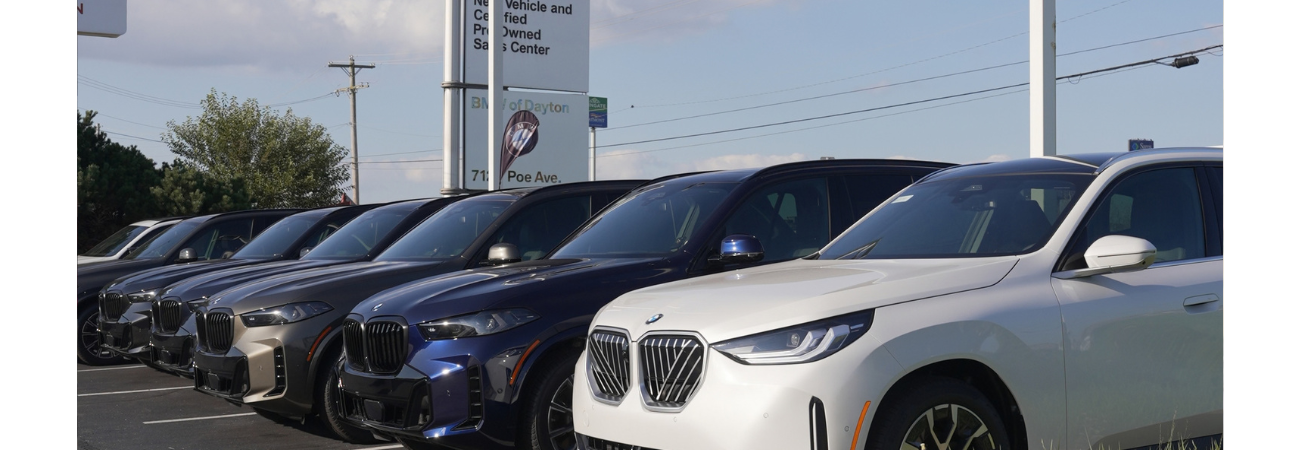
BMW of Dayton can help you explore the BMW X3 and BMW X5. Its BMW SUV lineup is a useful starting point before arranging a visit to 7124 Poe Ave in Dayton.
Bring your child seats and try installation according to the vehicle and seat manufacturers' instructions. Check access to the attachment points and whether the front passenger remains comfortable afterward.
Next, load your bulky gear and take a test drive in both SUVs on familiar local roads. Include parking, turns, and the kinds of stops you make during a normal week.
Finally, ask for a comparison of the exact vehicles under consideration, including their equipment and total purchase or lease terms.
Frequently Asked Questions
Is the BMW X3 or BMW X5 better for a family in Dayton?
The BMW X3 can be a practical fit for families who value easier parking and a smaller footprint. The BMW X5 may be a better match when your routine calls for more passenger or cargo space, depending on its configuration.
Does every BMW X5 have third-row seating?
No, third-row seating depends on the specific model and configuration. Check the vehicle’s seating layout and passenger capacity before you decide.
Is xDrive enough for driving in Ohio winters?
xDrive can help distribute power to available traction, but it cannot prevent every slide or shorten stopping distances on ice. Tire condition, appropriate speeds, and extra following distance matter in either SUV.
Which BMW SUV has more cargo space and towing capacity?
The BMW X5 offers more towing capacity, with a maximum of up to 7,200 pounds compared with up to 4,000 pounds for the X3. Cargo fit depends on the specific vehicle and seat position, so bring your stroller or largest gear item to check it in person.
Choose the SUV That Fits Your Ordinary Week
The BMW X3 is a sensible starting point when a manageable footprint matters most. The BMW X5 deserves a closer look when passenger and cargo space drive your search, provided its exact configuration meets those needs.
For Dayton winters, prioritize appropriate tires and careful driving alongside drivetrain choice. Either SUV needs sensible speeds when traction drops, while available mild-hybrid technology can support powertrain efficiency.
Compare the BMW X3 and BMW X5 at BMW of Dayton with your family and everyday gear, so you can see which family SUV fits your life.