


Buying a BMW Certified Pre-Owned in Ohio, the Inspection Points That Matter Most
Ohio roads can be rough on any car. Between potholes after freeze-thaw swings, winter salt on I-75, and long highway miles out toward Springfield or Columbus, wear adds up fast.
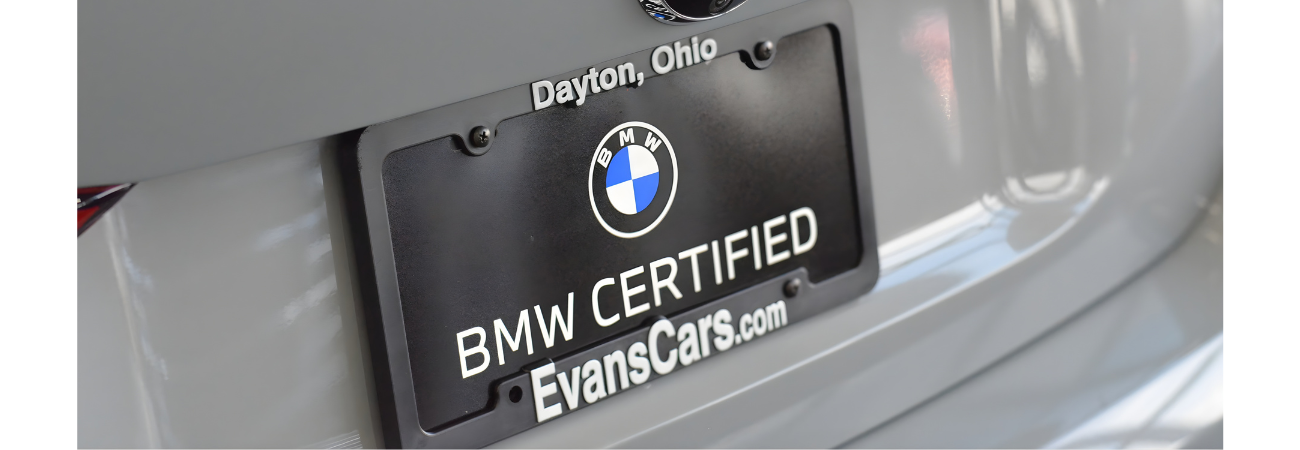
That's why a BMW certified pre-owned vehicle can feel like the middle ground many Dayton drivers want. You get a late-model BMW with strong standards behind it, without paying new-car pricing. Still, certification doesn't mean you should skip your own checks.
Below is a simple, practical walkthrough of the inspection points that matter most in Ohio, plus the documents and test drive habits that help you confirm a specific car was cared for.
What makes a BMW Certified Pre-Owned different from a regular used BMW?
A regular used BMW can be a great buy, but condition varies a lot. A certified pre-owned BMW is different because it has to meet program requirements before it earns that label. In plain terms, certification is meant to reduce the "unknowns" that show up after you bring the car home.
While details can vary by model and year, certification usually centers on tighter standards, a structured inspection, and repairs done before sale. That matters in Ohio because small issues (like a torn underbody shield or worn bushings) can get worse quickly once salt and potholes enter the picture.
Here's what shoppers should expect when comparing certified vs. non-certified:
Multi-point inspection: A trained technician checks key mechanical and electronic systems.
History review: The store reviews reported history and flags concerns for follow-up.
Wear limits: Items like tires and brakes typically must meet minimum measurements.
Road test: The vehicle is driven to spot noise, vibration, or drivability issues.
Service updates: Needed maintenance and repairs are completed before delivery.
Added coverage (when applicable): Many CPO programs include warranty-type protection and roadside benefits, so surprises sting less.
If you want to browse what qualifies locally, start with Shop CPO BMW Inventory at BMW of Dayton and then narrow down by body style and features you'll actually use in winter.
The quick checklist: documents you should ask to see before the test drive
A good test drive starts with paperwork. Save this list to your phone so you don't rely on memory in the moment:
Vehicle history report
Service records (oil services matter, not just major repairs)
Current tire tread depth and brake pad/rotor measurements
Proof that recalls were completed (or a plan to complete them)
Two keys and any keyless-entry fobs
The CPO inspection summary
For Ohio buyers, add two more questions: Where did the car spend most of its life (salt belt vs. southern states)? Also, did the prior owner do regular underbody washes in winter? Those answers can explain a lot about rust risk later.
The test drive basics that reveal the most in 10 minutes
Keep your drive repeatable so comparisons stay fair. First, ask for a cold start if possible. Listen for unusual rattles, then feel the idle. Next, drive on a smooth road and briefly loosen your grip to confirm it tracks straight.
After that, hit a rougher patch. A solid BMW should feel tight, not clunky. Brake firmly once from a safe speed and note if it pulls. Then cruise at 65 to 75 mph to check for steering shake or seat vibration. Finally, test HVAC heat and A/C, and scan for driver-assist warnings if equipped.
A few red flags deserve a deeper look: pulling under braking, steering wheel shimmy at highway speed, or a burnt smell after the drive.
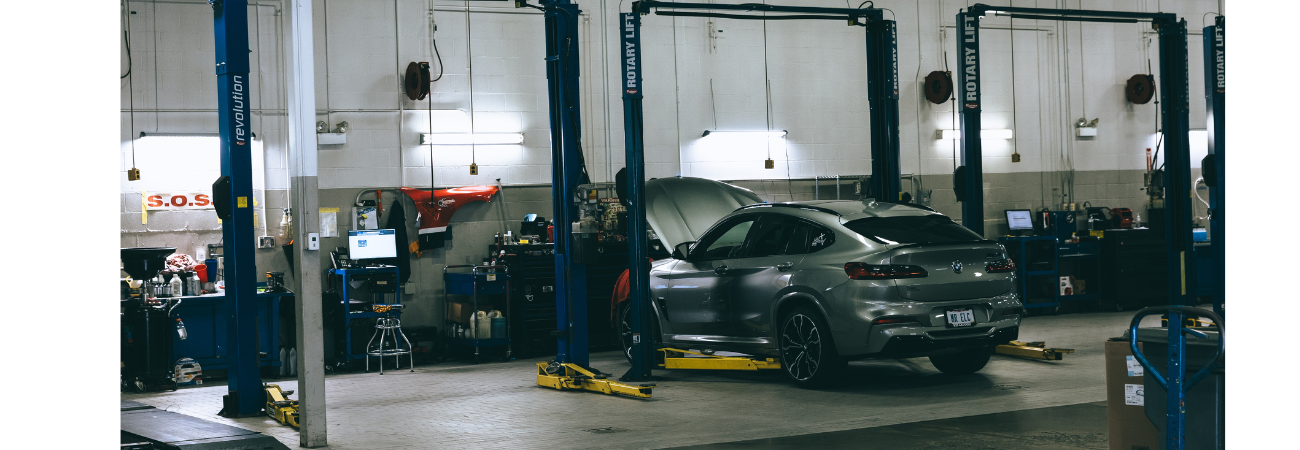
The inspection points that matter most for Ohio roads and weather
Ohio conditions don't "break" cars overnight, but they expose weak spots. Salt speeds up corrosion, potholes punish suspension parts, and winter temperature swings can stress rubber seals. The goal isn't to become a technician. It's to focus your attention where problems hide and costs stack up.
Use the sections below as talking points with the salesperson, and as reminders for what you want verified on the CPO report.
Undercarriage and rust prevention: where salt damage starts
Start underneath because salt damage often begins out of sight. Ask to see rocker panels, subframes, brake lines, exhaust sections, suspension arms, and underbody shields. Light surface rust is common in the Midwest, but heavy scaling on structural pieces is different.
Also watch for fresh undercoating that looks uneven or rushed. Sometimes it's protective, yet it can also hide problem areas. Missing underbody shields deserve attention too because they protect components from slush and road debris.
One more Ohio-specific check: look at lift points and jacking pads. Improper lifting can crush pads and bend covers, which then traps moisture and grime.
Suspension, steering, and alignment: pothole proofing the ride
Potholes and broken pavement near Dayton can knock alignment out quickly. During inspection, ask about shocks and struts, control arm bushings, ball joints, and wheel bearings. On the drive, listen for clunks over bumps and feel for looseness through the steering.
Tires tell a story here. Uneven inner-edge wear can point to camber issues. Feathering across the tread can suggest toe problems. Cupping can hint at worn dampers. Besides that, a bent wheel can mimic an alignment problem.
Ask for current tread depth readings, and if available, an alignment printout from recent service. Even if it drives fine today, those details help you predict what comes next.
Brakes, tires, and wheels: the safety items with the biggest hidden costs
Brakes should be measured, not guessed. A pedal can feel fine even when pads run low. Rotors matter too because a worn or heat-spotted rotor can cause pulsation later.
Tires deserve the same treatment. Confirm the brand and model match across an axle, and verify correct sizes. If the BMW uses run-flats, decide if you're okay with their ride and replacement cost. If it's on non run-flats, ask about a spare or mobility kit.
Highway vibration often traces back to wheels. A small bend may not show at 45 mph, yet it can appear at 70 mph on I-70.
If you only have time for one "money check," ask for brake and tire measurements in writing. It's the fastest way to avoid surprise maintenance.
Engine, cooling, and fluid checks: small leaks become big problems
Ask the technician to point out any oil seepage, not just active leaks. Look for dried residue around valve covers, oil filter areas, and hoses. Then check coolant level and condition, and look for crusty residue near connections.
Maintenance history matters because the right oil and on-time service reduce long-term wear. If the BMW is turbocharged, pay attention to smooth power delivery. Also watch for smoke in the mirror under acceleration, and notice any burning oil smell after the drive.
Electronics and driver assist features: confirm every button works
Modern BMWs pack a lot of tech, and chasing electrical problems later can get expensive. During your visit, run a quick routine: test iDrive response, check the backup camera, and verify parking sensors. Pair your phone, play audio, and make sure the mic works on a call.
If the car has adaptive cruise or lane features, confirm there are no warnings and that settings menus load normally. Before you park, do a full walk-around and verify every exterior light works, including turn signals and brake lights.
How to pick the right BMW CPO in Dayton, and feel good about the deal
Once you know what to check, the buying process gets calmer. Start by choosing the right shape for your life. A sedan can be perfect for an I-75 commute, while an SUV may fit better for family schedules in Beavercreek or Kettering. If you drive a lot in winter, prioritize tire condition and a clean underbody over cosmetic upgrades.
When comparing two similar certified cars, focus on measurable differences: remaining tire and brake life, service history, and how the car feels at highway speed. A lower-mile option isn't always the better pick if maintenance was skipped.
BMW of Dayton can walk you through the CPO inspection details, and that transparency is what makes a certified purchase feel straightforward instead of stressful.
Questions that separate a great CPO from an average one
This table keeps your questions organized, especially when you're comparing more than one vehicle.
A simple next step plan for Ohio buyers
Narrow to 2 or 3 models that fit your commute and winter needs.
Confirm the car is certified, then review history and service.
Do the same 10-minute test drive routine on each option.
Ask for tire and brake measurements, then compare on paper.
Decide based on condition first, and features second.
If you're shopping in late fall or winter, bump tires and underbody condition to the top of your list.
Conclusion
Ohio weather rewards careful shopping. Focus on salt and rust checks underneath, pothole-worn suspension and alignment clues, and measured brake and tire life. Then verify tech features and match the story with records.
A BMW certified pre-owned car can be a smart way to get the BMW feel with fewer surprises, especially when you ask to see the inspection details before signing. When you're ready, shop locally in Dayton, drive a few options back-to-back, and choose the one that feels tight, clean, and well-documented.