


What “BMW M Certified Center” Really Means for Your Service and Parts
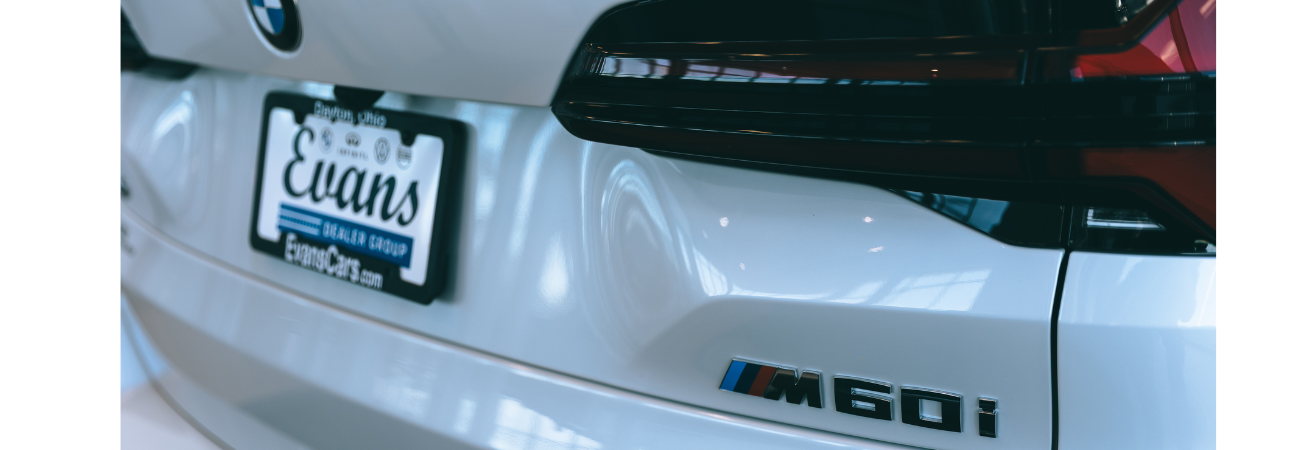
A BMW M isn’t just a faster BMW. It runs hotter, works harder, and depends on tighter tolerances to feel right, especially when you’re on the throttle, on the brakes, or pushing through a long on-ramp. That extra stress shows up in places most drivers never think about: exact fluid fill steps, torque procedures, software calibrations, and the little “finish work” that keeps the car quiet and smooth.
So what does “BMW M Certified Center” actually mean in real life, beyond a badge on a building?
This guide breaks down what the certification is meant to signal, what you should expect during service, and how it can shape parts choices, warranty confidence, and long-term performance. You’ll also see what to ask for, so your M comes back feeling like it should.
What a BMW M Certified Center is, and what BMW expects it to have
At a basic level, a BMW M Certified Center designation is about capability and consistency. It’s not just about selling high-output cars. It’s about being set up to support them, with the right people, tools, and processes to service M vehicles the way they were designed to be serviced.
That typically includes technician training that focuses on M-specific systems, access to current BMW technical repair information, and shop equipment that can handle advanced diagnostics and programming. The point is repeatable results: the car drives correctly, the systems communicate correctly, and the work is documented properly.
If you’re considering where to buy or service, it also helps to know that BMW of Dayton publicly identifies as a certified center through its BMW M Certified Center page. For an owner, that matters because it signals the store is building its service experience around M clients, not treating M cars like “just another 3 Series with more power.”
The training and know-how behind M level repairs
Performance cars punish shortcuts. An M can hide a problem until it’s heat-soaked, then show it as a vibration, a warning light, or a strange driveline sound that comes and goes.
M-aware training is about following the correct repair path, including proper torque specs, one-time-use fasteners when required, correct bleed and fill procedures, and the right sequence for any electronic resets.
A simple example is brake work. On many M setups, the difference between a quiet, confident pedal and an annoying squeal can come down to correct bedding guidance, proper hardware replacement, and clean hub mounting surfaces. Done right, you reduce noise, vibration, and the chance you’ll be back in two weeks asking why the steering wheel shakes under braking.
Special tools, diagnostics, and software updates are a big part of the promise
Modern M cars are as much software as hardware. A center that’s prepared for M service needs factory-level diagnostic equipment and the ability to perform programming, calibrations, and guided test plans that match BMW procedures.
This shows up with systems that can’t be “eyeballed” into place: electronic limited-slip differential behavior, adaptive suspension calibrations, performance braking system service functions, and engine management updates that can change how the car starts, idles, and responds.
Even when the repair is mechanical, the car may still need a software step to finish the job. If that doesn’t happen, you can end up with odd shift behavior, warning messages, or a car that feels slightly off, even though the new part is technically installed.
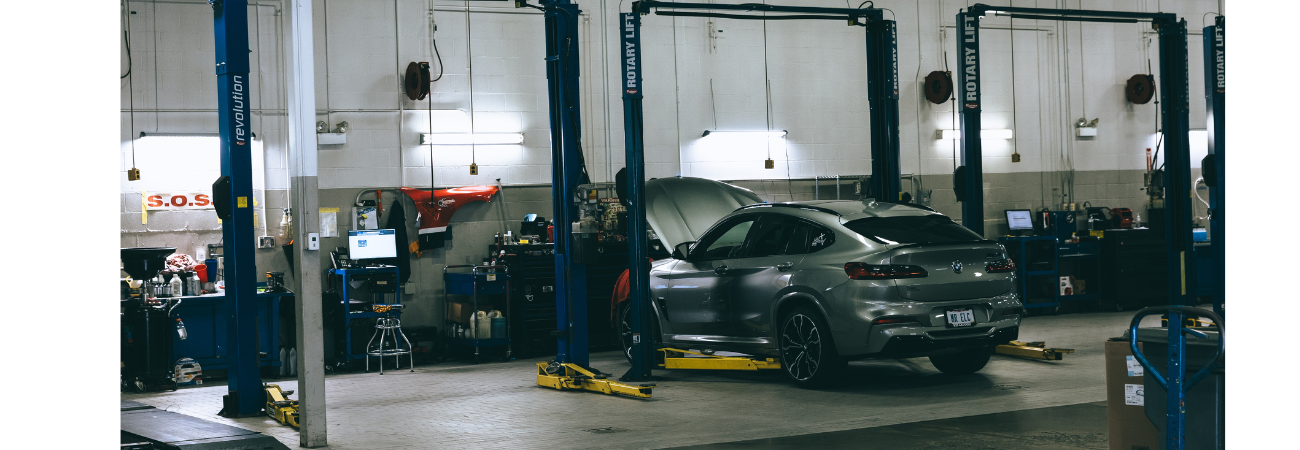
How certification changes your service experience (and what you should expect to be different)
A certification program only matters if you feel it in the day-to-day experience. The best outcome is simple: fewer surprises, fewer repeat visits, and a car that feels consistent after service, whether you’re commuting or driving with intent.
In practice, that usually means clearer communication at write-up, better problem isolation, and more attention to performance details that affect safety and “feel.” Think of it like tailoring a suit. Two jackets can be the same size, but only one sits right in the shoulders. M service is the same. The details are where confidence comes from.
When you drop the car off, listen for specifics, not vague promises. A good service conversation should cover what the symptom feels like, when it happens, what conditions trigger it (cold start, hot restart, high-speed braking), and how the shop plans to confirm the cause.
If you want a simple way to set expectations without sounding demanding, use normal prompts in your own words: Ask for the recommended procedure and why it fits your use; confirm whether any software updates, calibrations, or adaptations are part of the repair; request the part numbers or exact part type (OEM vs M-specific); review what to watch for during the next 100 to 300 miles.
For routine maintenance, programs like BMW Value Service can also help owners understand what’s included and how pricing is structured, while keeping the work tied to BMW-trained technicians and original parts where applicable.
Better diagnosis means fewer repeat visits and fewer guess repairs
High-performance issues can be subtle. Heat soak can change how a sensor reads. Brake vibration can come from pad deposits, rotor runout, wheel balance, or worn suspension parts. A driveline “clunk” might be normal lash, or it might be a mount that’s starting to soften.
A strong diagnostic process tends to look like this: confirm the concern with a short drive when possible, run a scan, review data and fault history, verify the most likely cause, then repair and re-check. That approach protects your time and protects the car from unnecessary parts swaps that don’t fix the real issue.
Service records and procedures can affect warranty, resale value, and confidence
With M models, documentation carries weight. Using correct parts and fluids, then recording what was done and when, helps support warranty conversations and builds confidence for the next owner.
Resale buyers often look for signs the car was cared for by people who understand M hardware and software. They want to see that maintenance wasn’t just “done,” it was done the right way, with the right materials, and with a clean paper trail. That can matter just as much as mileage when the car is performance-focused.
Parts for BMW M are not all the same, and the right choice protects performance
On an M car, parts choices don’t just affect durability. They affect how the car feels: brake bite, pedal firmness, steering calm at speed, ride control, and even cabin noise. Higher speeds and higher heat mean margins get thinner.
You’ll usually see three broad categories: OEM BMW parts (built to BMW specs), BMW M-specific parts (designed around M performance needs), and aftermarket options (which can range from excellent to questionable). Aftermarket isn’t automatically wrong, but it has to match how you drive and what the car expects.
Common examples where the “right part” matters fast: brake pads and rotors, tires, engine oil and diff fluids, filters, and sensors. And on newer M cars, some replacements also require coding or calibration after install, so “it bolts on” isn’t the whole story.
If you want help matching parts to your exact model and goals, the BMW Parts Center is a practical starting point, especially when you’re deciding between standard OEM replacements and parts aimed at more aggressive use.
OEM, BMW M specific, and aftermarket parts, how to choose without guessing
A simple decision guide is to start with how you use the car. Daily driving usually favors quiet operation, low dust, and long life. Spirited weekend driving may justify a pad or tire that trades a little comfort for more grip. Track days change the math again, since heat management becomes the top priority.
Cost matters, but the lowest price part can change pedal feel, trigger warning lights, or add harshness you’ll notice every day. Matching the part to the system is the goal, not just getting the car back on the road.
When a parts swap also needs calibration, coding, or break-in
Some repairs are “install and go.” Many aren’t. Sensors may need adaptation resets. Brake systems can require service modes. Suspension work often needs alignments that hit the right targets, not just “within range.” Even throttle or transmission behavior can improve after the right relearn steps.
A good handoff after service is clear and complete. You should be told what was installed, whether any software updates were performed, and what to watch for during the next 100 to 300 miles. For performance brakes, you should also get bedding guidance, since that step can make the difference between strong, smooth stops and a shudder that feels like warped rotors.

Conclusion
A BMW M Certified Center is meant to signal more than enthusiasm for fast cars. It points to trained people, the right diagnostic and programming tools, and procedures that protect how your M drives, stops, and holds up over time. It also shapes parts choices, since M cars are less forgiving when something is slightly off.
If you want your M to keep that factory-tight feel, talk with BMW of Dayton about your real driving habits, daily commuting, spirited back roads, or track use, so the service plan and parts match your goals. The right conversation up front is often what keeps the car feeling like an M long after you leave the service drive.